The first Acton Academy school in the Baltics · in central Riga

A private primary school in central Riga for curious children, and for parents who do not want their child to lose interest in learning.

Every morning, maths, reading, writing and languages in one long undisturbed block — until the skill is mastered, not until the topic is over. Absorbing team projects in the afternoons. And the chance to follow your own child's growth far more closely than in an ordinary school.

Years 1 to 6 · 650 EUR a month · Kronvalda bulvāris 1, Riga · An Acton Academy network school

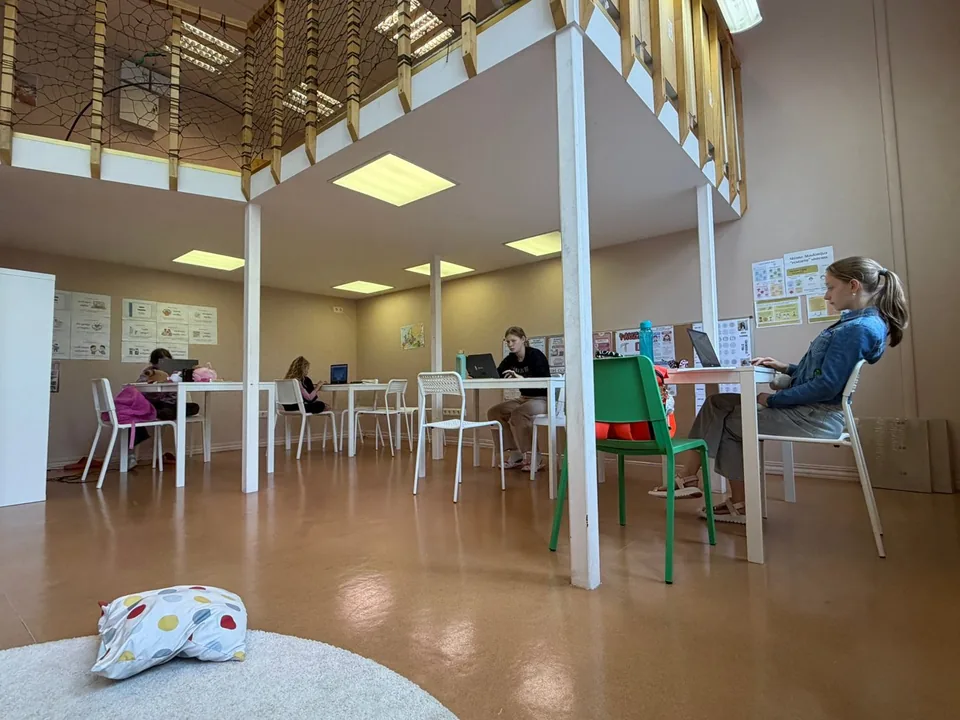
An ordinary day in the primary studio, without sound.

Acton Academy Riga is a private, self-directed primary school (years 1 to 6) in central Riga — part of the global Acton Academy network and an alternative to a traditional school. Tuition is 650 EUR a month. We admit children from the age of 6; lessons happen in Latvian and in English — a child can learn in Latvian without speaking English, and the other way round.

300+In the Acton Academy world
8.15–15.00the school day
2024opened in Riga, the first in the Baltics
IALDSinternational accreditation
Licensedstudy programme in Latvia
Diagnosticsthe national diagnostic assessments

What these numbers mean in practice.

300+ schools worldwide — what does that give a child in Riga?

Riga gets the learning design, the methods and the materials the network has developed and tested over the years. Every Acton Academy is independently owned and run locally, so the network gives access rather than central control. That is exactly what makes it possible to join the content of the Latvian education standard to this way of learning.

IALDS accreditation — what is it and what does it guarantee?

An international accreditation from the United States, confirming that the school really is learner-driven: that this is an environment where children can take responsibility for their own learning and build life skills.

If this sounds familiar — you are not alone

Four situations families call us about

The engine slowly switches off

A curious, lively child slowly learns to meet the requirements — and to ask only whether it will be on the test. It happens slowly, which is why it is noticed too late.

Not at their own pace

The child is well ahead and bored, or behind and feeling it every day.

What they love is left aside

What genuinely absorbs the child happens only after school, and always last.

Morning battles

It is not that the child cannot go to school but that they do not want to — and it has been going on for months.

The choosing goes both ways

Is this school right for your child?

Acton Academy most likely suits you if your child

  • learns noticeably faster or slower than the class, or simply wants their own pace
  • asks why and does not accept because that is how it is done as an answer
  • is bored at school but spends hours at home looking into what absorbs them
  • finds it hard to sit still and learns by moving and doing
  • can and wants to take responsibility, if they are genuinely trusted with it

Most likely not, if what matters to your family is

  • marks and places in olympiads as the main measure of progress
  • compulsory homework every evening and a fixed timetable
  • a child who needs constant specialist support — we are not a special needs school

Take the 2-minute quiz: do we suit your family? No email needed. You see the result straight away.
The first question every parent asks

Self-directed does not mean unsupervised.

If you take a child out of the familiar system, the real question is not whether they will find it interesting. The real question is: in three years' time, will the maths be all right. Here is the mechanism, not a promise.

Every day at 9.15 it is time for core skills

Maths, reading, writing and languages in one long undisturbed block — until the skill is mastered. Every child is noticed every week.

Every day at 9.15 it is time for core skills

A child moves on when the skill is mastered, not when the calendar says the topic is finished. Fractions cannot be skipped — however much you want to.

A parent sees progress, not a number or a letter

Badges show which skills have been mastered in reading, writing, maths and languages. The portfolio shows the work. Every 6 weeks a child presents their work at a public exhibition.

If a child is not moving, it is noticed within the week

A child sets their goals on Monday and on Friday looks back themselves at how much of it is done. If there is no progress in a week, the guide sees it, the child's team sees it and you will hear about it too — not at the end of the school year.

Why one long block rather than 40-minute lessons?

Deep concentration takes uninterrupted time. Maria Montessori described it a hundred years ago and Csikszentmihalyi's research on flow measured it: a fragmented timetable never lets a child get as far as deep work. Which is why core skills get the longest undivided block in the day.

How do you know a skill is really mastered, if there are no tests?

No adult simply hands a badge over. To earn one, a child has to submit evidence of excellent work to their running mates or to the guide for approval — the community itself guards the standard. And the requirements of the basic education programme for years 1 to 6 are built into the badge plan: in earning the badges, a child covers the state-set content as well. The badge plan is signed at the start of the year by the child and by a parent.

Will a child be able to return to a state school?

Yes. A child learns core skills at their own pace, so a move is possible in both directions, and if a transition plan is needed we build it together with the family. A child's badge portfolio is an unbroken record of what has been learned — it translates directly into the documents needed to move to any other school.

How does this differ from the individual approach other private schools promise too?

An individual approach usually means the teacher adapts to the child, while the pace and the goals stay in the school's hands. Here the child chooses their own route and sets their own weekly goals; with the guide's support and mentoring they take responsibility for their own learning. There is a specific list of what the child promised to do, and it is visible how much of it is done.

If it carries on

And what if a child simply does nothing?

This is the question every parent puts to a self-directed school, and it is usually answered with philosophy. Here is what happens in practice — week by week.

Week 1 · the system notices it, not the guide

On Monday Jānis sets his own goals for the week. At Friday's look back it is visible that the maths goal has not been met — he sees it, the guide sees it and his team see it. The guide does not say sit down and get on with it. The guide asks: where did you stop?

Week 2 · a smaller step and accountability to peers

If it happens again, the goal is broken down further, until it is so small that not doing it is impossible. The child has an accountability partner who sees it every day.

Week 3 · the natural consequences

The studio has levels of freedom: the more responsibility a child takes on, the more freedom they earn — more freedom to choose what to work on and when, and to take part in bigger group projects. The levels go down as well as up; freedom is rented, not owned. Once the problem is visible, the guide asks the questions that let the child get past it themselves: is this a gap in earlier knowledge? The level of difficulty? Is something distracting you? Which strategy will you try now? A hero compares themselves with who they were yesterday — what matters is personal progress.

If it carries on

Some children need longer to take responsibility for their own learning. It is then possible that this is not the right school for now — and we talk that through with the parents, whose decision it finally is.

Not philosophy — a timetable

What your child will be doing from Monday

8.15Arrival. The children come into the studio, put their things down and get ready for the day
9.00Morning launch — a Socratic discussion in a circle. It is not interrupted: anyone late waits to one side
9.15Core skills: reading, writing, maths, languages — and setting the goals for the day
12.00Lunch and time outdoors — we are outside every day
AfternoonQuest — a hands-on team project with a real result, and passion projects
15.00The closing launch, tidying the studio and going home
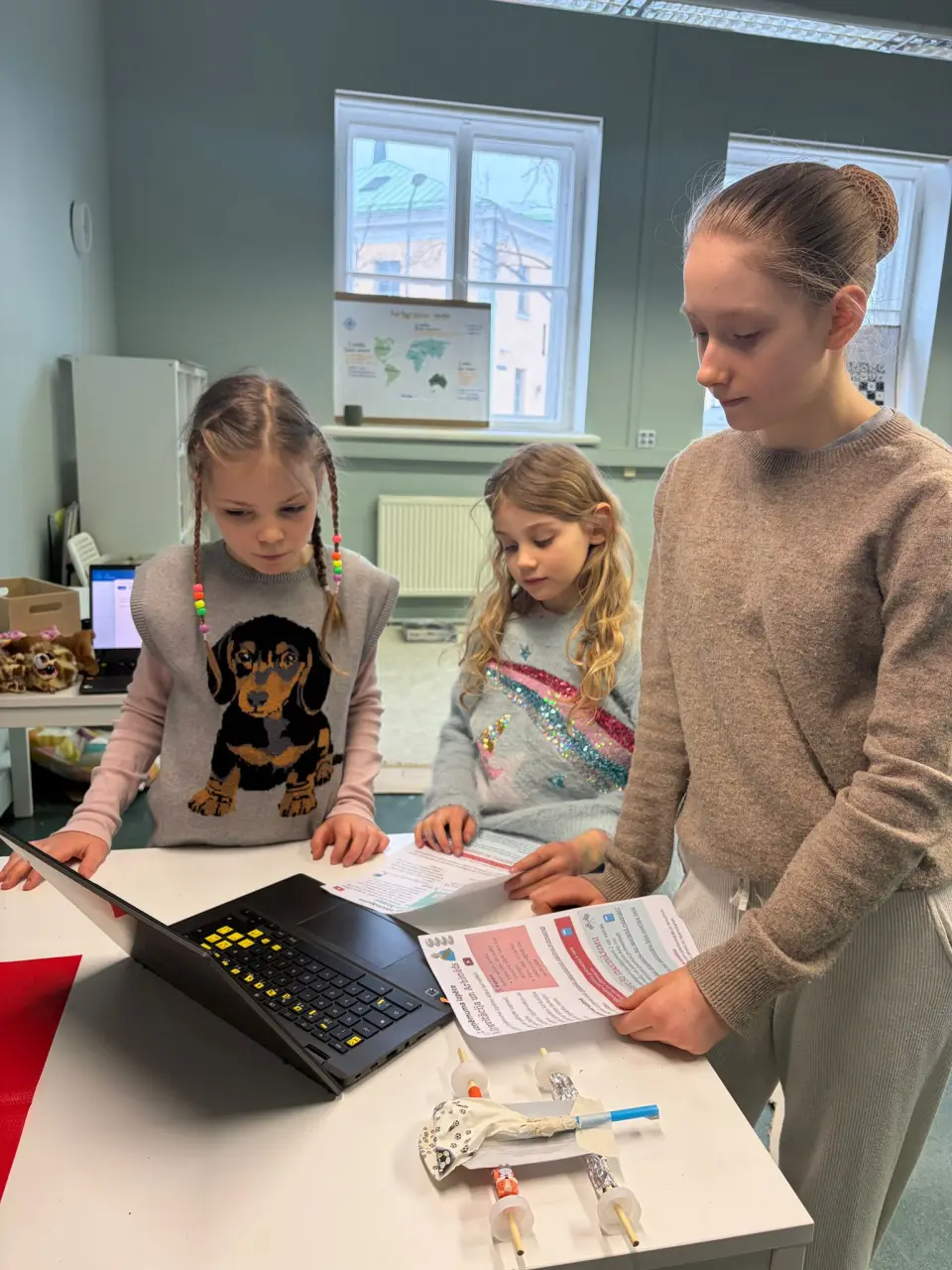
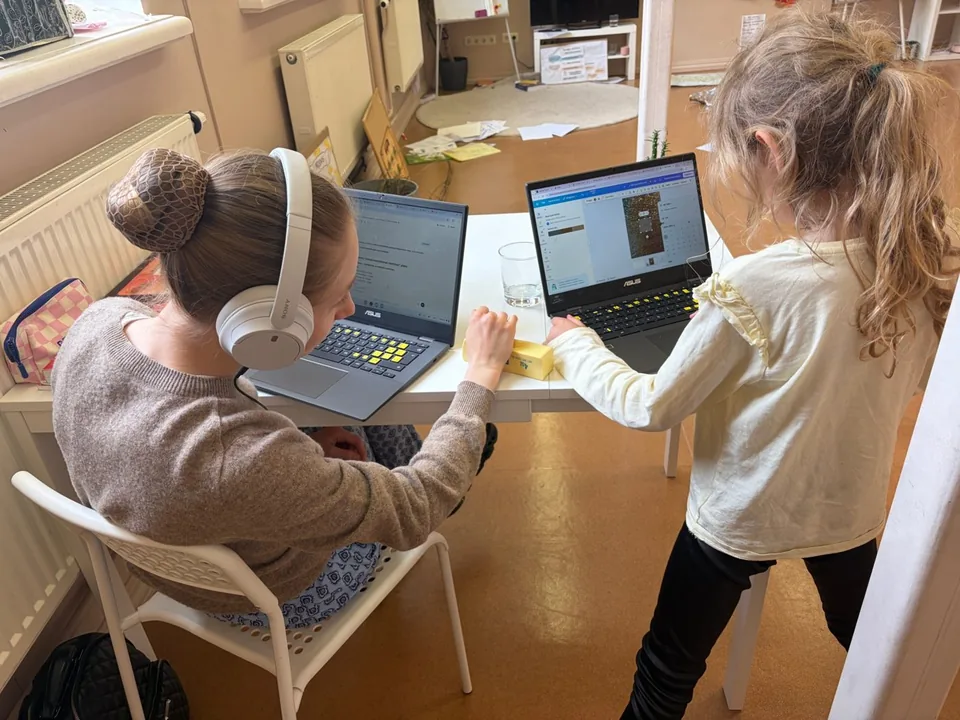
Two explorers in the core-skills block, each at her own computer
The morning core-skills block in the primary studio.
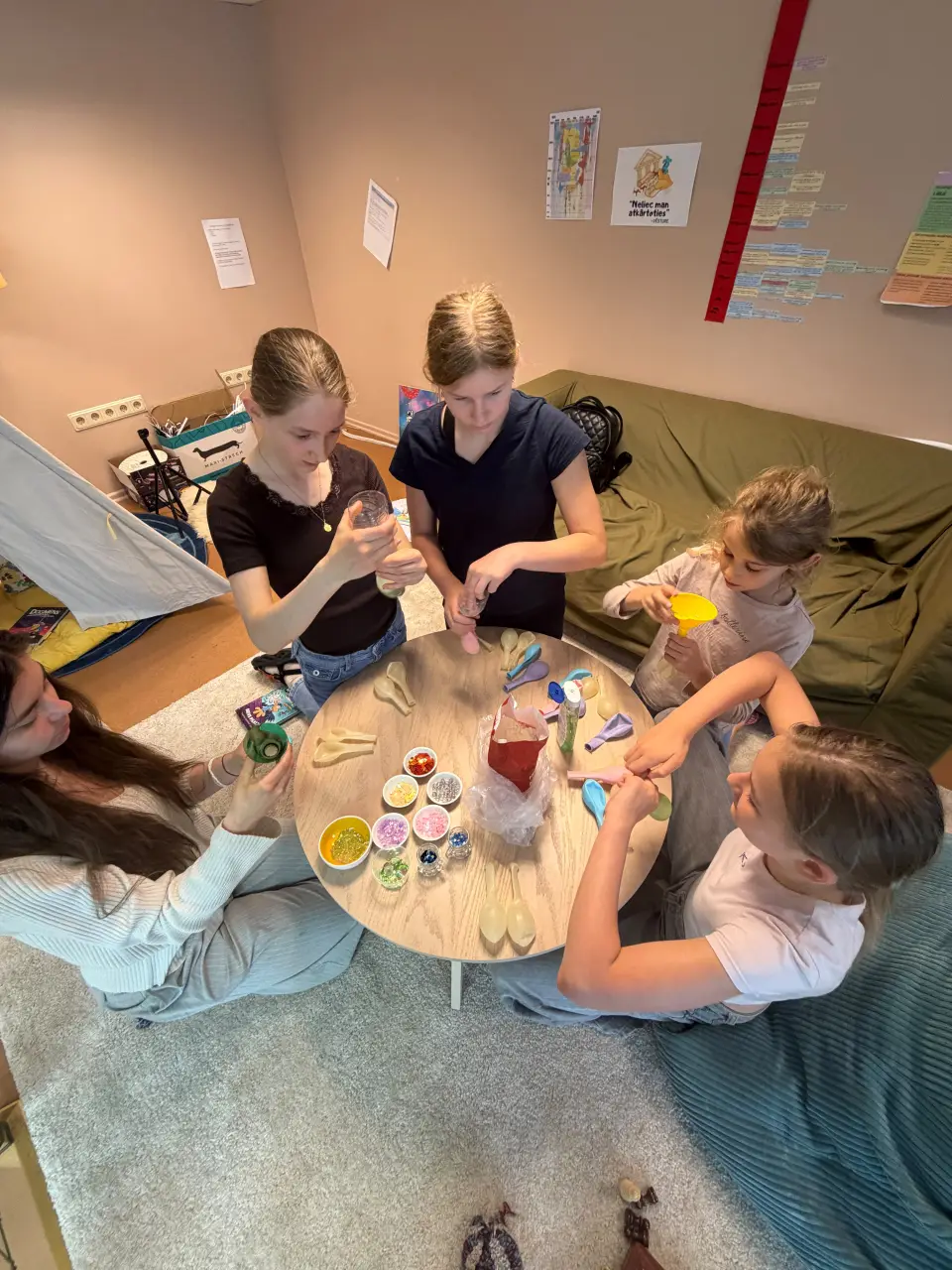
Quest work in a team
Afternoon: quest work in a team.
What does a week look like?

On Monday the children set SMART goals for the week — specific and measurable. The midweek afternoons go to the quests. On Friday there is the studio meeting, praise for character, feedback to one another and the look back at the week — the moment it becomes visible which goal has not been met.

Quests

Seven quests this school year

Each quest is a session-long hands-on project with a real result and a public exhibition. Scroll to see all seven — the one in the middle is what is running now.

Just finished

Build a Tribe

2 September – 1 October

In the first weeks the children learn to take responsibility — each for themselves and all of them together. They write the studio contract and lay the foundations for how the studio will live all year.

Public exhibition: 1 October

Book a place at the exhibition

Happening now

Entrepreneurship

12 October – 19 November

The explorers build a business of their own — with one rule: no help from parents. On 19 November they sell what they have made to real customers at Āgenskalns market.

Public exhibition: 19 November · Āgenskalns market

Book a place at the exhibition

Next

Athens in Ancient Greece

30 November – 17 December

For three weeks the studio lives as ancient Athens: voting, Socratic debate, stepping into the shoes of historical figures and working out what democracy means. At the exhibition the children defend their city, and the parents are citizens with a vote.

Public exhibition: 17 December

Book a place at the exhibition

Programming and robotics

4 January – 11 February

The children build and program a robot that has to solve a real task. If it does not work, they hunt for the fault, fix it and try again — at the exhibition the robot runs in front of you.

Public exhibition: 11 February

Book a place at the exhibition

A community garden

22 February – 1 April

From seed to harvest: the children plan the beds, work out areas and water, and find out why one seedling grows and another does not. The garden stays for the neighbours and for the next lot of children.

Public exhibition: 1 April

Book a place at the exhibition

Forensic science

12 April – 20 May

A staged crime takes place in the studio, and the explorers solve it the way detectives would: fingerprints, chromatography, footprints, logic. At the exhibition the parents try to crack the case themselves.

Public exhibition: 20 May

Book a place at the exhibition

Growing curiosity

7 June – 8 July

Each child picks a question that genuinely interests them, designs an experiment and tests a hypothesis — learning the thing that serves them for life: how to ask a good question and find the answer.

Public exhibition: 8 July

Book a place at the exhibition

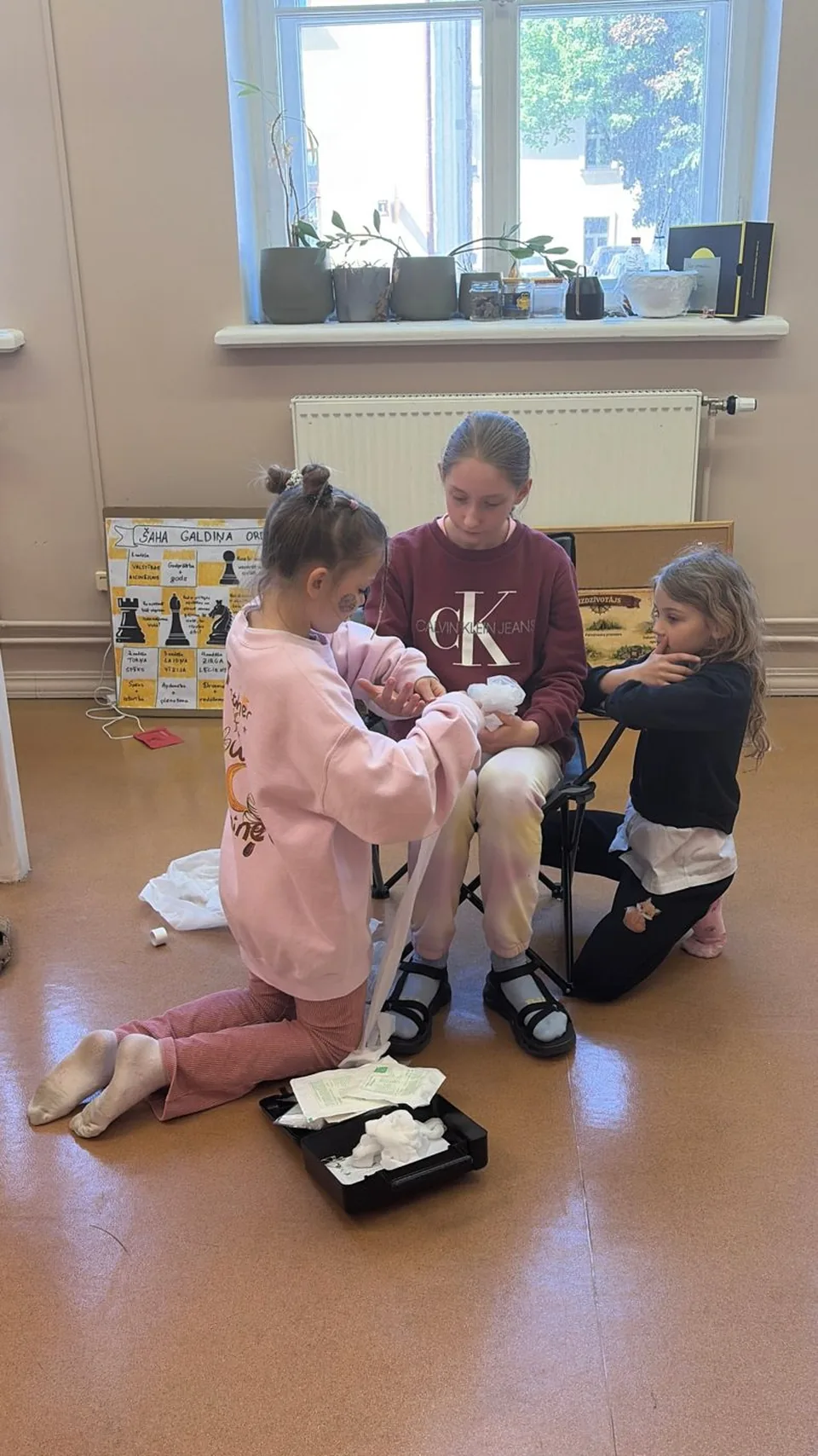
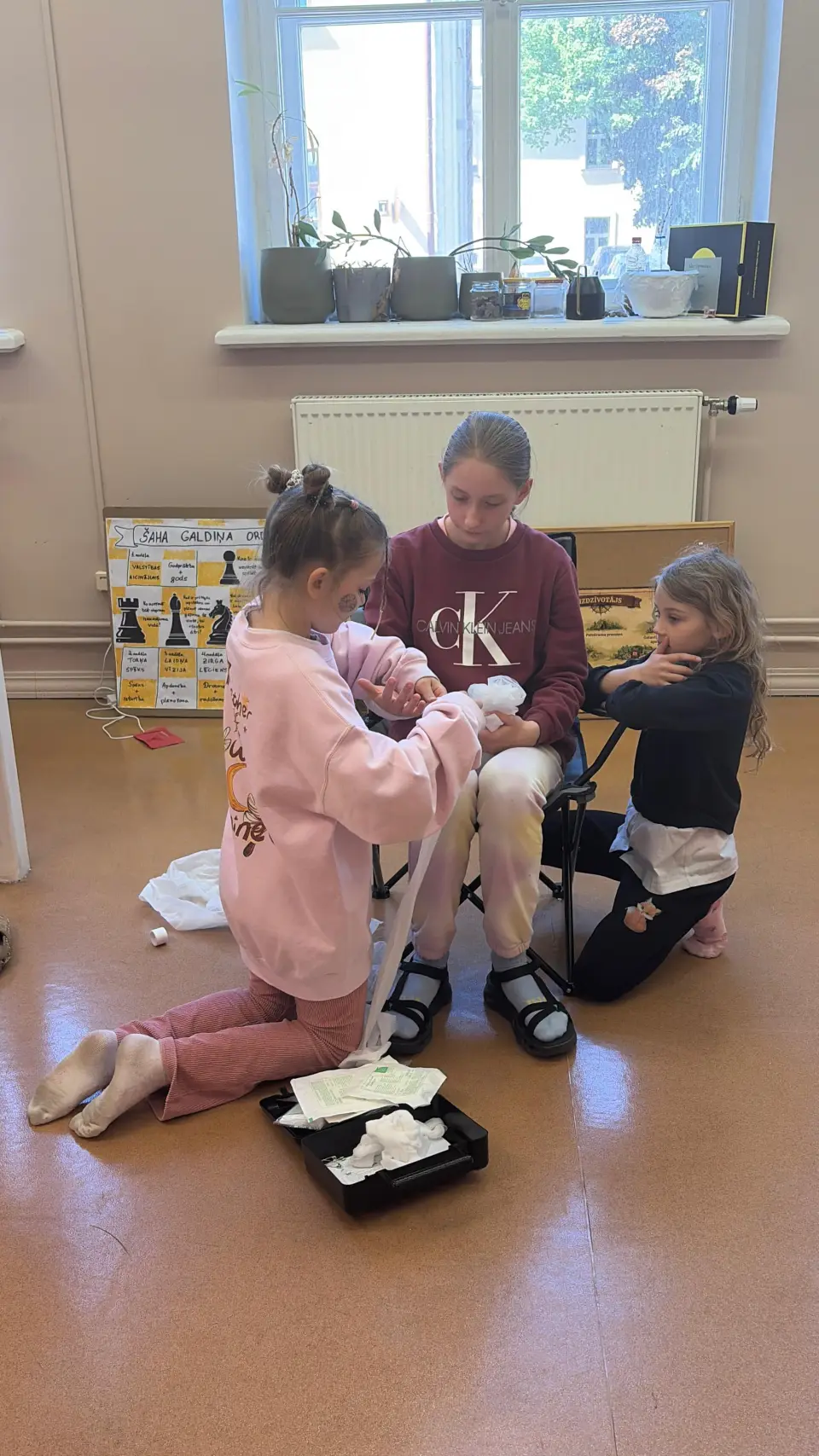
An explorer bandages another child's arm in the first aid task
The survival quest: the children practise first aid themselves, on each other.
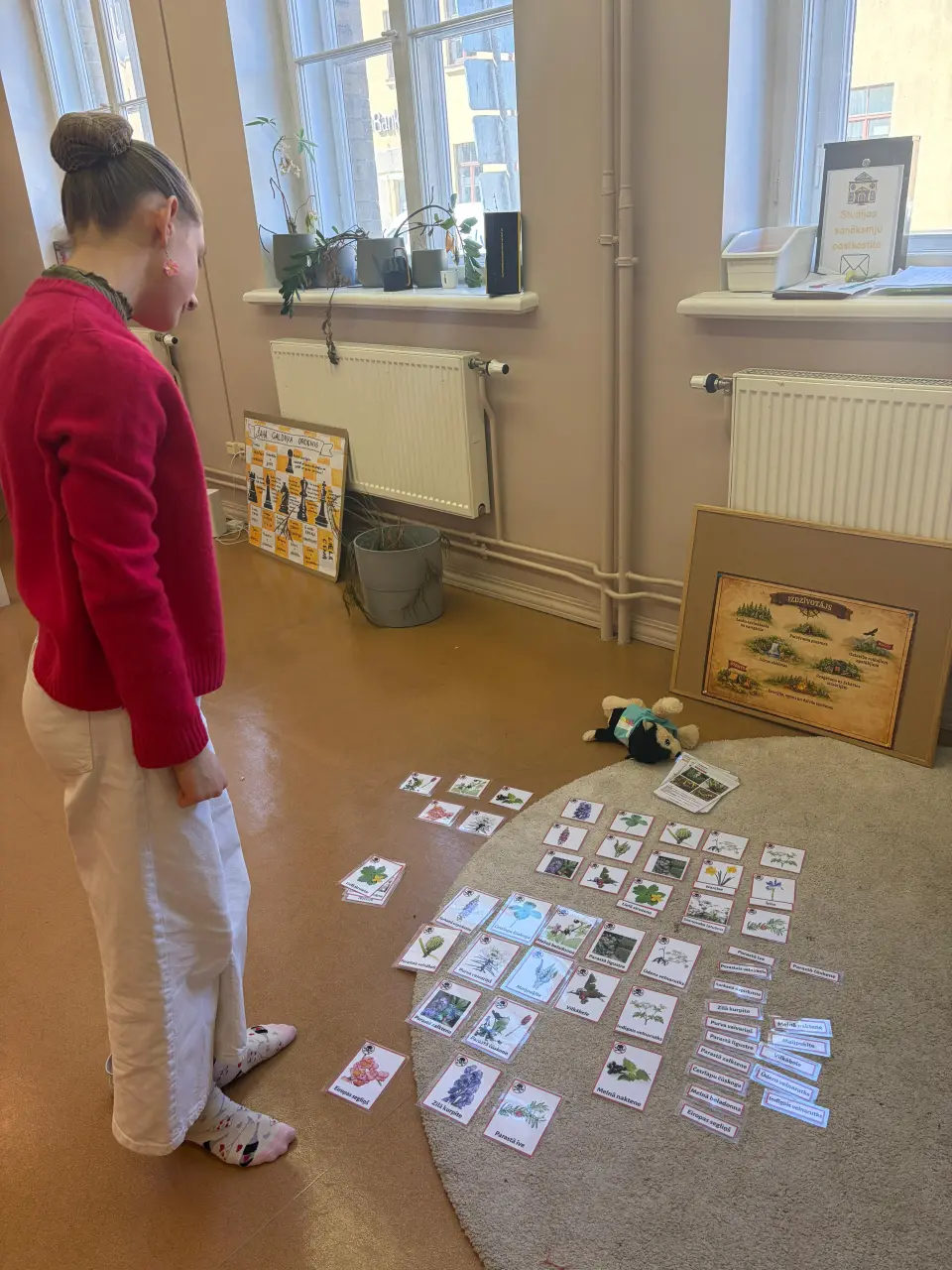
Quest materials, not worksheets
The quest materials the children work with.
Come to the next exhibition The entrepreneurship market on 19 November, 14.00–16.00 · exhibitions 14.00–15.00
Pictures from our days

What it looks like from the inside

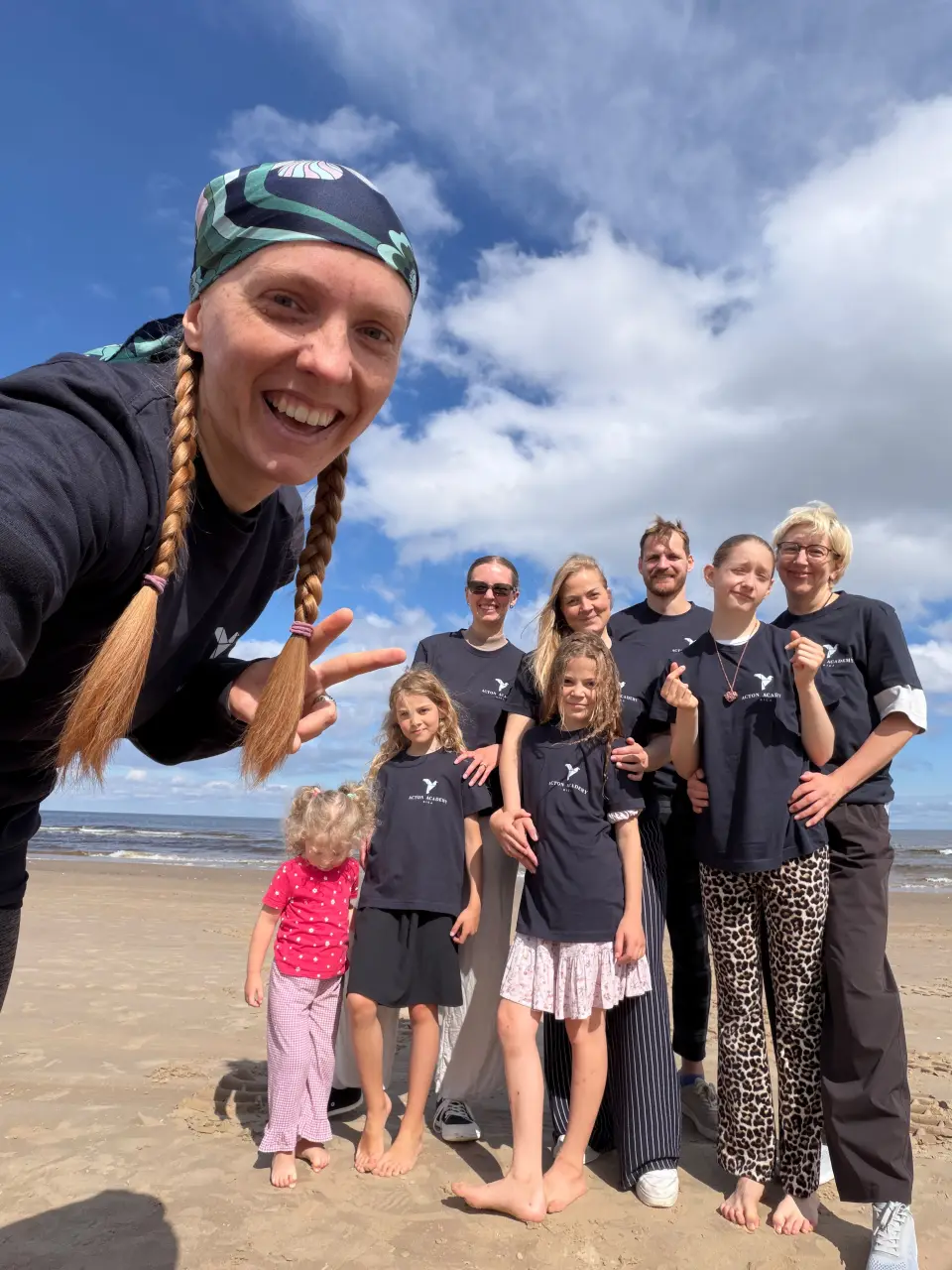
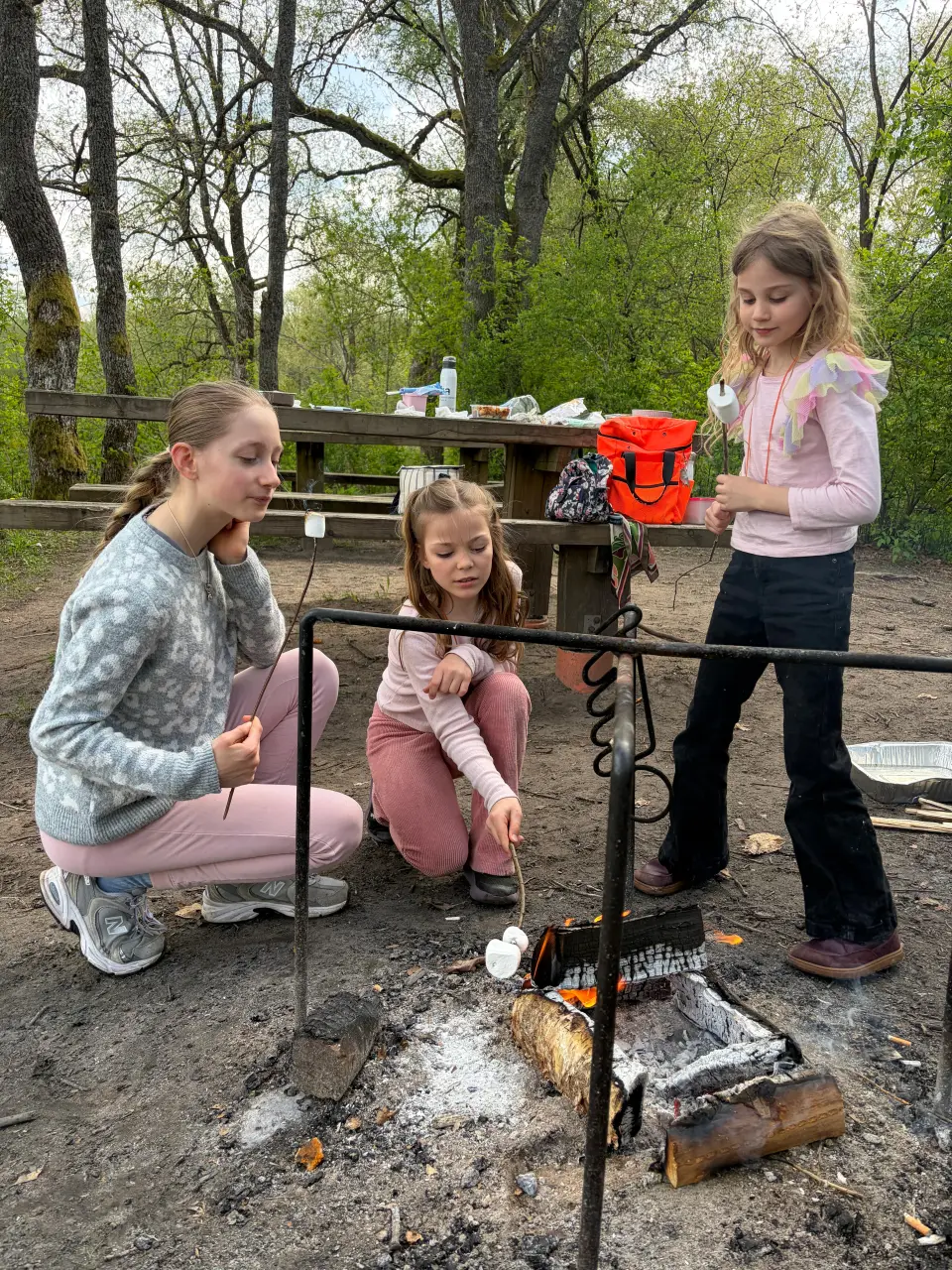
Every photograph on this page is from our studio at Kronvalda bulvāris 1 and from quest trips. These are real days, real children and real work.

Quest work in a team
A Socratic conversation in the studio
A Socratic conversation: the guide has no right answer
A mixed-age community in one studio
We believe everyone deserves to find what they love in life. That goes for the children and for the parents.
The Young Entrepreneur camp
Regular trips out to match the quest
What the families already here see

Parents' stories — in their words, in their own voice

We are a small school — here we share particular children's experiences. Let the parents speak, not only us.

Three parents, three stories

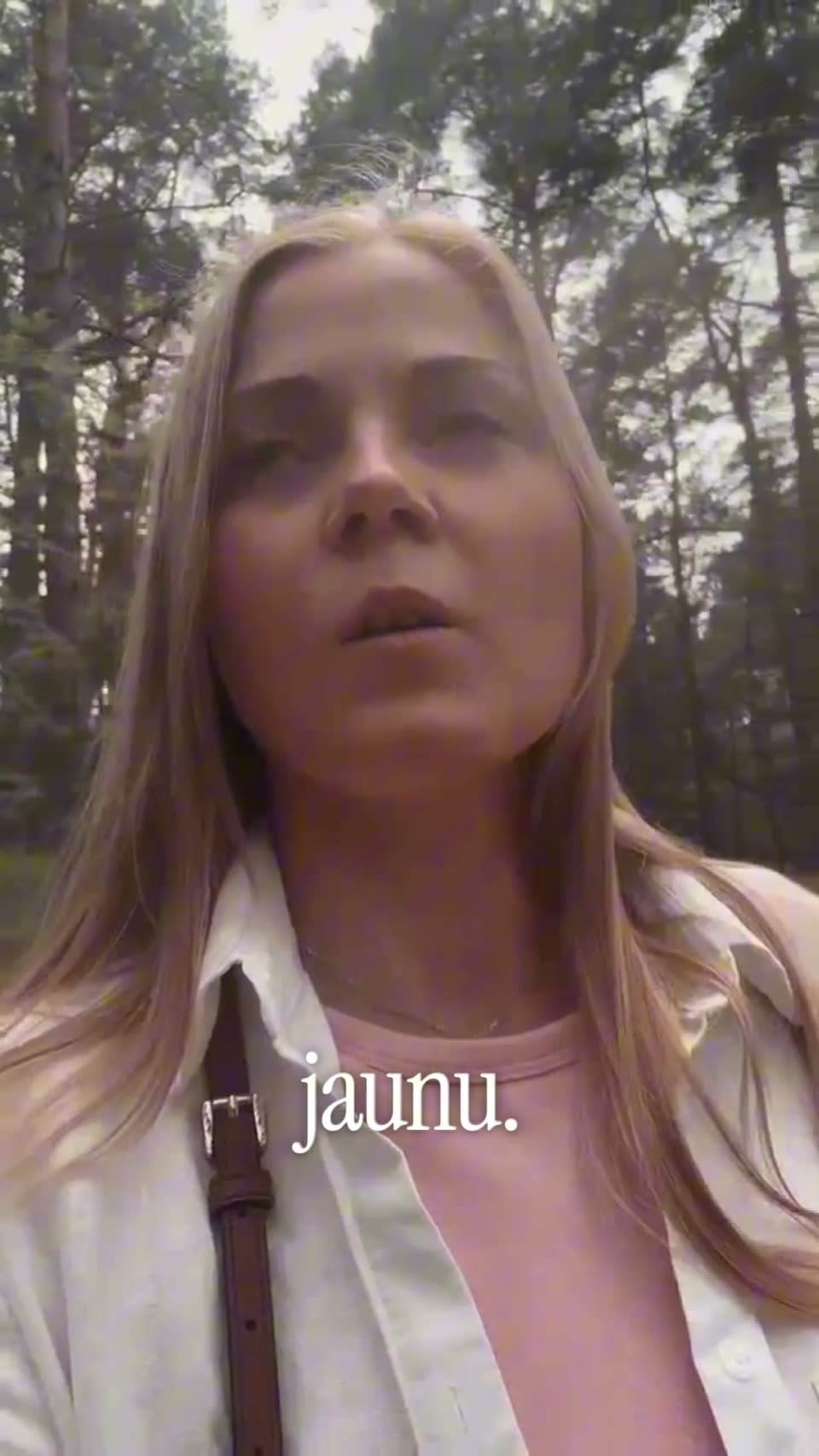
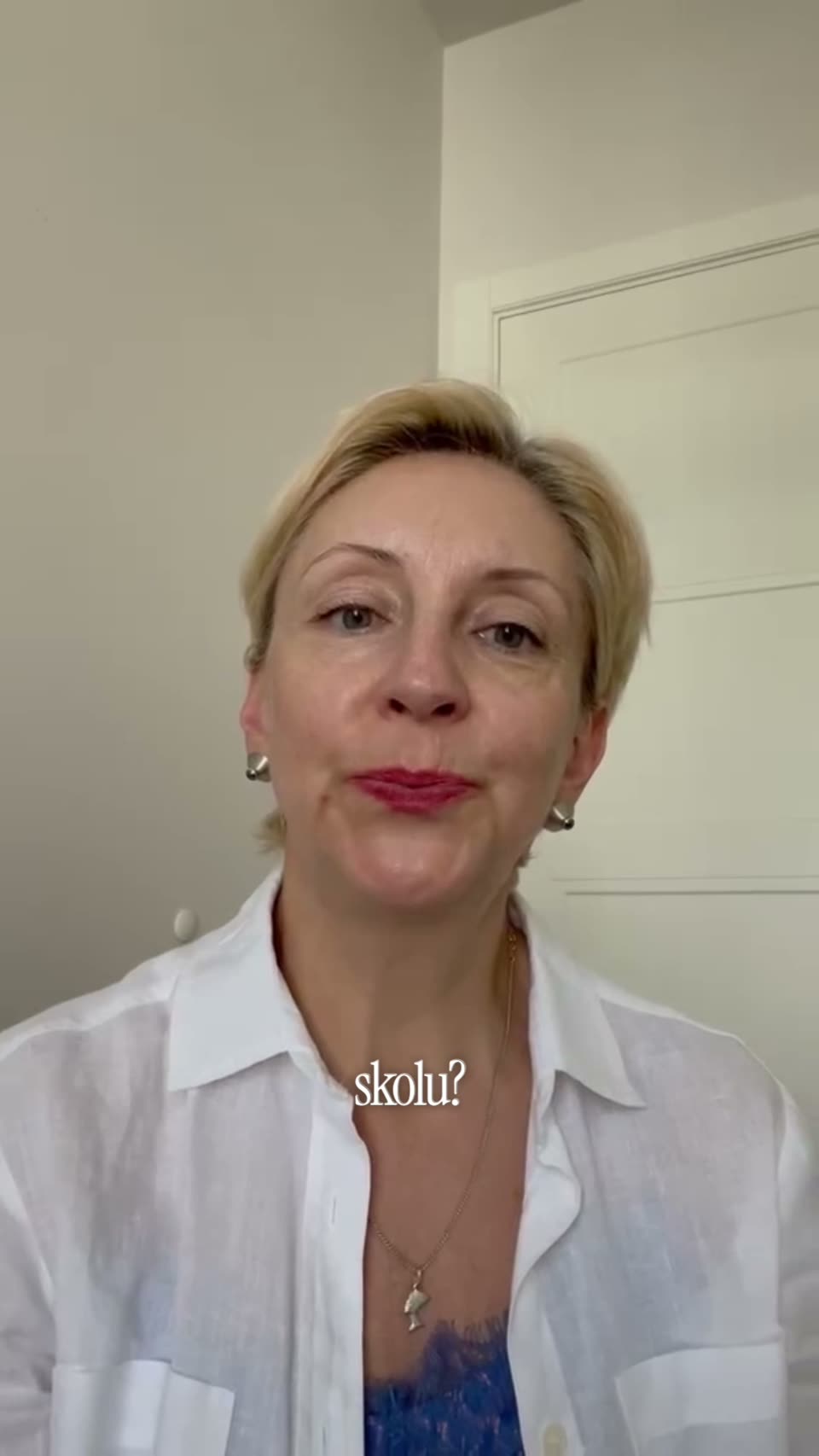
Three parents talk about their child — what they noticed, what changed and what surprised them. The extracts are from their own video stories, and you can watch the full stories right here.

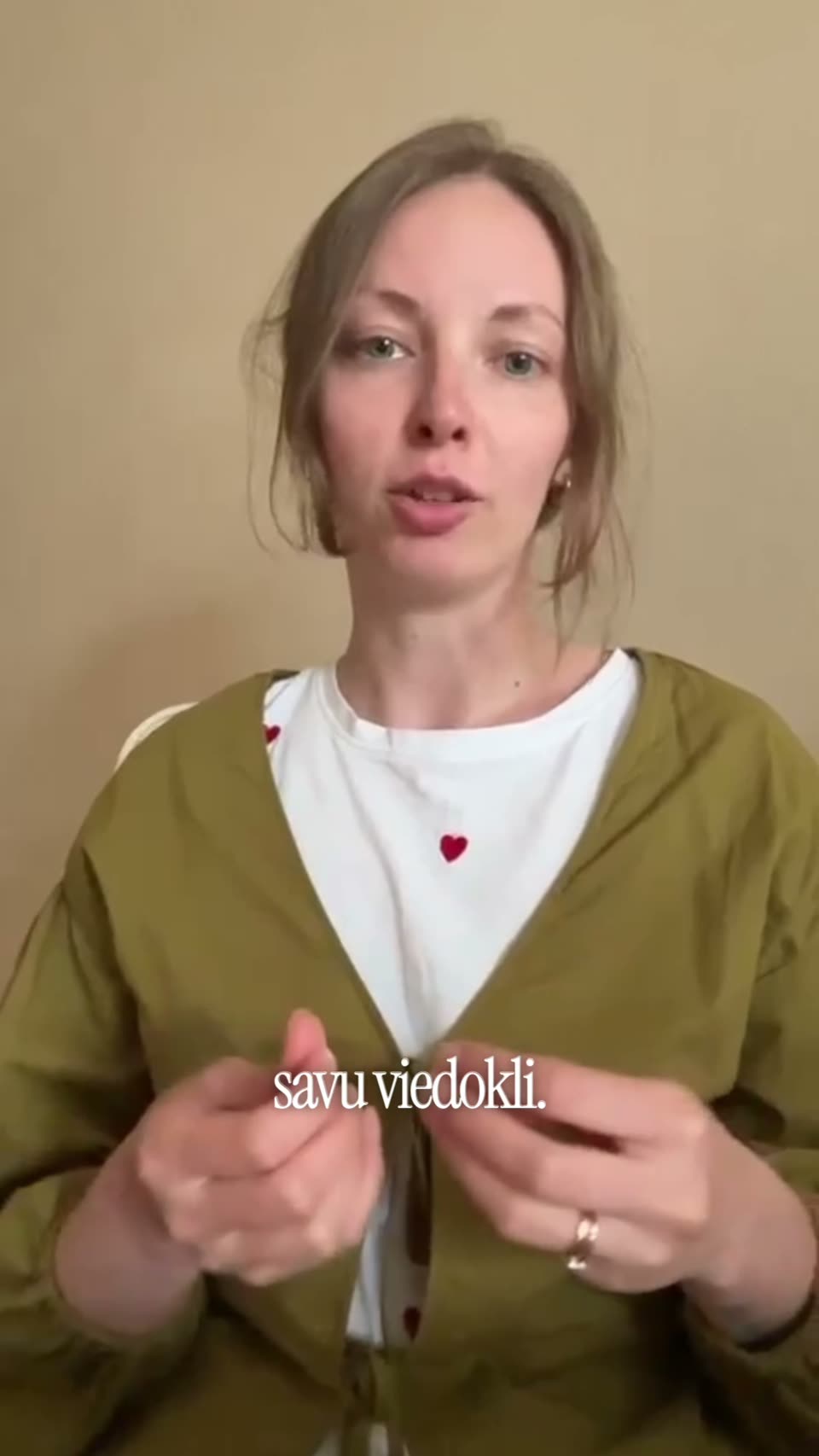
Ieva, an Acton Academy parent, in her video story

It was, in principle, the best decision of our lives.

Ieva · mother of a year 3 child
Jana, an Acton Academy parent, in her video story

I can see that this Acton Academy system does work.

Jana · mother of a year 5 child
Evita, an Acton Academy parent, in her video story

This is a school where the children build their own community. And what happens in that community is everything they will later be able to use in real life as well.

Evita · parent

If at the start I worried about how it would go, how she would cope, then now I do not worry about a single thing. She knows what she is doing. She knows her own goals.

Ieva · from the video story, 1:47–2:04

Seeing the way she now learns with real interest, the way she explores, it becomes clearer and clearer to me that this process is slow, but it is there.

Jana · from the video story, 0:34–0:46

We had gone away on a trip, and before going into a public place we talked through some specific rules. She asked me: Mum, what happens if I do not follow these rules?

Evita · from the video story, 0:46–0:58
Who you are entrusting your child to

The adult in the studio is a guide

What parents care about most is who they are entrusting their child to, not only the methodology. Self-direction does not mean there is no adult responsible in the room — it means the adult's job is a different one.

How many guides to how many children

There are around 10 children in the studio. The guide is a Socratic mentor rather than a supervisor. As the children learn self-direction and take the lead, the guides become less and less visible — and that is deliberate. The guide's job is to make themselves unnecessary.

Who these people are

A guide does not answer the question — they ask the next one. The children first go through the three Ps before the G (3PPG): think it through yourself, look it up, ask a running mate — and only then the guide. Expect a Socratic answer yourself, too: a guide will often answer a parent's question with a question.

The point at which the adult steps in

The children write and sign the studio contract themselves. Disagreements go first to the peace table, where the children settle them following a protocol they have practised: I-statements, repeating back what you heard, looking for solutions, agreeing. The mediator may be a member of their squad, a member of the council, or the guide. The guide steps in when the children's own process does not resolve it — and shaming is never part of the process.

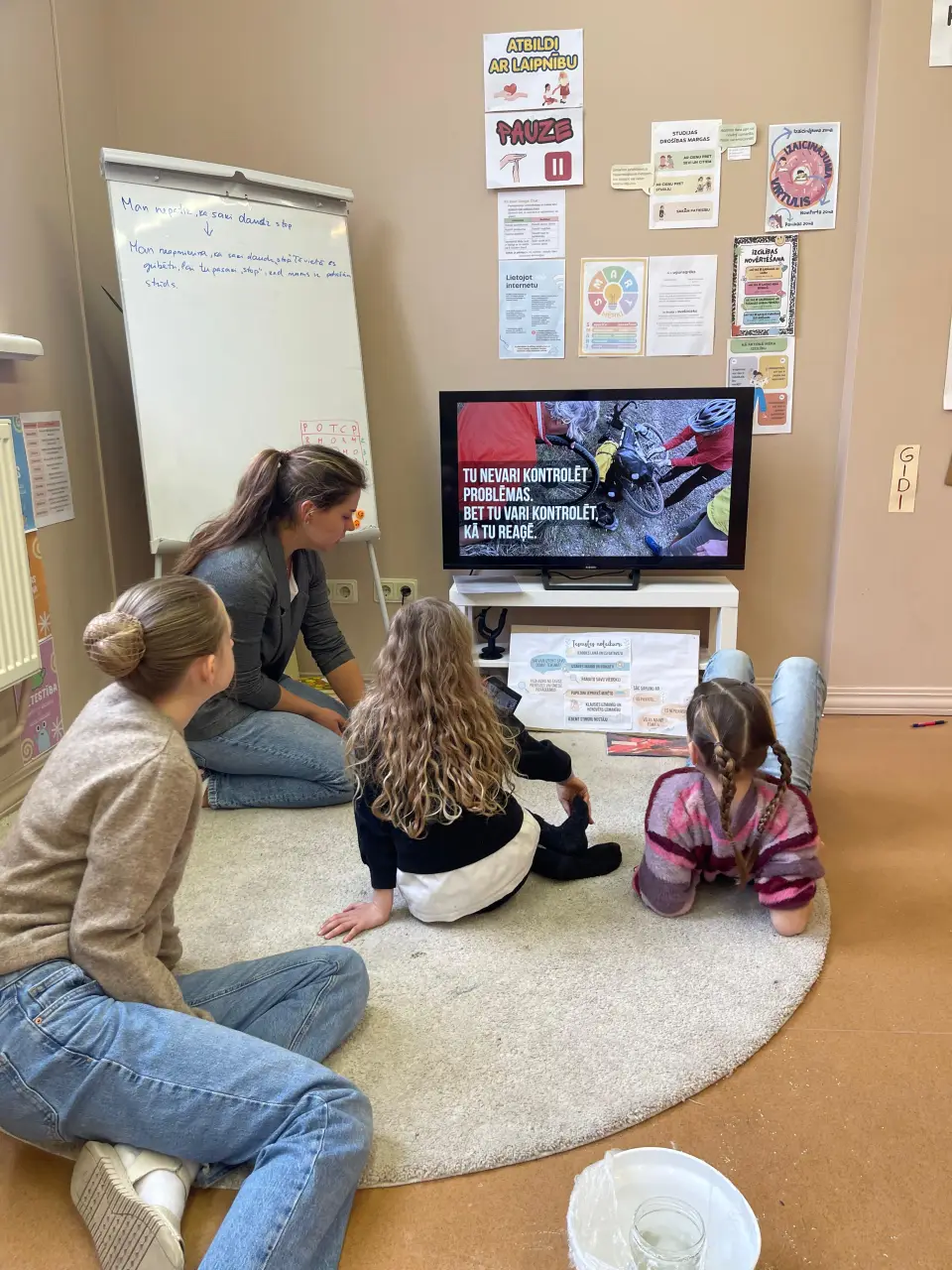
A guide in a Socratic conversation
A guide in the Socratic conversation the day starts with.
Who notices a child beginning to disappear?

The weekly cycle: a child sets their goals on Monday and on Friday looks back themselves at how much of it is done. A child who is not moving shows up in that cycle — at the end of the week rather than the end of the school year — and the guide, the child's team and the parent all see it.

Who is responsible for safety in the studio?

Safety in the studio is the guide's responsibility. Self-directed learning does not mean a room without an adult: basic safety is one of the few things we do not delegate to the children. The handbook says it plainly — the school takes an active part in setting the safety rails, because what we owe you is a studio that stays a safe place to learn in. Everything else in the running of the studio belongs to the children; the safety rails do not.

Social safety the community builds itself, and that is deliberate. Every year the children write and sign the studio contract themselves — the studio's governing document — and that is why they are the ones who defend it. Conflicts they settle at the peace table, where the mediator may be a member of their squad, a member of the council, or the guide. The standards of the community are set by the council the children elect and by the weekly studio meeting.

What does a guide do if a child hurts someone?

If a child crosses a safety boundary — deliberately hurting someone else, for instance — a restart follows. These are the natural consequences of unkind behaviour: time away from the group to settle, to commit again to the studio contract, and then to be warmly taken back in. On a serious question of ethics we call everyone together — everyone involved in one room, so that there are no conflicting accounts. Everyone breaks a promise sometimes, but if it happens regularly, the child leaves the school.

If it keeps happening, the conversation stops being a studio matter: we sit down with the family and agree what changes.
Can the guide give a child medicine?

Children do not carry medicine in the studio themselves: it is handed to the guide in its original packaging with the child's name and written instructions on the dose and the timing. Tell us about allergies and chronic conditions right away in the admissions conversation, so that the guide knows what to do before anything happens.

Two people, not a brand

Why we opened this school

Laura Martini, co-founder
Laura Martini

School came easily to me, I was driven by marks and praise, but following other people's instructions did nothing to build my confidence in myself.

Marks said nothing about what I actually wanted to do with my life. It took years more, universities and jobs, before I understood that.

Laura · co-founder
Dāvis Martini, co-founder
Dāvis Martini

I got through school because you had to. I learned to follow instructions and do the minimum.

Everything changed in my first job: for the first time it was my own responsibility what I learned and how fast. With real problems and real challenges I learned ten times more than at school.

Dāvis · co-founder

We did not open a school to prove that traditional school is bad. We opened it because we lost years ourselves working out what we wanted to do — and we do not want our children to lose them the same way.

Seven words, and after that it all makes sense

Our words in plain language

We have our own words for the things we do differently. But you do not have to learn them to understand what we do.

Guide — the adult in the studio: asks the questions, holds the boundaries and helps a child get to the answer themselves. More a mentor than a lecturer.
Studio — the mixed-age learning space where the creative work happens, and its community — in place of a class.
Badge — an earned confirmation that a skill has been mastered or a challenge completed; it is like a certificate you earn rather than an assessment from outside.
Quest — a 6 week project with a story running through it, real challenges and an exhibition at the end
Exhibition — the public presentation of the quest work at the end of a session
Launch — the short Socratic discussion a day, a quest or a challenge starts with — the guide has no right answer, the children argue and change their minds
the hero's journey — the story a child lives: a challenge, hardship and then the main thing of all - a change in themselves.
State schools

Where exactly the difference comes from

A traditional classroom is built to take 25 children of the same age through one programme. That means compromises, and for some children a different kind of classroom works better.

See the comparison across five things
A class of 25 children of the same ageAn Acton Academy studio
One pace for everyone, because otherwise the programme is hard to get through.Each child's own pace; what is shared is the rhythm of the day, not the content.
Moving on goes by the calendar: the topic is over, the class moves on.Moving on goes by mastery: the skill is mastered — only then the next one.
Progress is shown by a mark, which gathers a great many things into one number.Progress is shown by badges skill by skill, a portfolio and a public exhibition.
A mistake costs — it shows up in the assessment, so taking a risk does not pay.A mistake is part of the work; what matters is what the child does with it afterwards.
Responsibility for the learning is carried by the teacher and the parent.Responsibility is taken over by the child step by step — and we check it every week.
No small print

What we promise, what we expect and what we will never promise

Our school is not an ordinary one, which makes it all the more important to say plainly what to expect.

What you can expect in the first 12 months

At the end of every quest you will see your child presenting their work at a public exhibition to real people — not to us, but to an audience.

You will have access to the Journey Tracker platform, where the child's goals, points and badges are visible — and twice a year there is a journey meeting, led by the child themselves.

If we see that this is not the right place for your child, we will tell you rather than wait for you to leave of your own accord.

What we expect from your family

That the child's problems are dealt with by the child. Before getting involved, ask the child's permission; we do not write to the guide on their behalf unless there is serious, immediate harm.

That you come to the exhibitions and to at least two of the three parents' meetings a year. The child presents to a real audience, and that includes you as a parent.

That at least one parent in the family has an active learning project of their own — a book, a skill or a goal to talk to the child about. The example matters more than the asking.

What we will never promise

That progress will be even. A process and a progress like this are uneven - just as growth is in an adult's life.

That your child will be first on some list. We have no such list. Progress is measured against who the child was yesterday.

That this school suits every child.

Accreditation in Latvia

Accreditation and your child's paperwork — 4 questions

The school is not yet state-accredited and does not have to be, because it is new. We have a programme licensed in Latvia and IALDS international accreditation, while state accreditation of the institution itself is planned for 2027, because in Latvia a school is accredited during its first years of operation. While the school is not accredited it can still issue reports and move children up a year, so there is no practical problem.

2024/25 — done

IALDS international accreditation within the Acton network.

2025/26 — done

The first stage of basic education, licensed in Latvia (licence No. V_9059).

2027 — state accreditation of the institution planned

2027/28 — planned

Years 7 to 9 open, so a child who starts now can carry on here.

What happens if accreditation does not come through in 2027?

The school can move a child up a year and issue reports without state accreditation too. Accreditation matters at the end of year 9, when a state-recognised certificate of basic education has to be issued.

Can a child move to another school in Latvia?

Yes. A child learns core skills at their own pace, and a move is possible in both directions.

What happens after year 6?

Years 7 to 9 open in the 2027/28 school year, so a child who starts now can carry on here.

What is the difference between the licence, accreditation and IALDS?

Three different things. The licence — the state has approved the programme we teach: the first stage of basic education for years 1 to 6, licence No. V_9059, programme code 11011114. That can be checked. State accreditation — the state assesses the institution itself; we do not have it yet and it is planned for 2027. IALDS — an international accreditation the Acton network of schools uses as well; it has no bearing on Latvian state requirements.

What is open this year

Our studios, which other people call classes

Admitting now

Primary studio · years 1 to 6

A mixed-age studio at Kronvalda bulvāris 1, around 10 children. 650 EUR a month.

3 places left for this year (the 2026/27 school year).

Next year

Middle school studio · years 7 to 9

From 2027/28. A child who starts now can carry on here.

In development

Early years studio · ages 4 to 6

No date yet. Tell us if it interests you — we will let you know.

In development

Upper school studio · years 10 to 12

The aim is a full school from the age of 4 to year 12.

The studio: four children of different ages, each at their own desk
The mixed-age studio at Kronvalda bulvāris 1: each child at their own pace, in one room.

Tuition and what is in it

What you actually get for it

A mixed-age studio with 9 places. The older child explains to the younger one, and the younger one sees what is waiting a year from now.

Every core skill at its own pace to mastery — not as far as the next topic.

Seven quests a year — each a 6 week project, and each ending in a public exhibition. Seven times a year a child stands up in front of people they do not know.

English in daily life — including for a child who does not have it yet. Lessons are in Latvian.

Adults who work as mentors rather than giving lectures — and real experience of running a business, not only the theory.

Every child in the studio has their own Chromebook with a content filter, all the learning materials, and a school year from 1 September to the beginning of July — longer than in a state school, if the parents choose it.

650 EUR a month

Years 1 to 6 · the 2026/27 school year

  • The invoice reaches you at the end of the month, with 10 days to pay. Children bring lunch and snacks from home — that keeps the fee lower and lets each family decide for itself; the studio has a kitchen for heating food, and there is a canteen in the next block.
  • Discounts: 50% for the second and third child in a family; the fourth child learns free of charge.
  • 3 places left for this year (the 2026/27 school year).
  • The children sit the national diagnostic assessments here too.
  • There is no entrance fee. You pay only for the trial week, and that is part of the ordinary monthly fee rather than a separate charge.
  • There is no municipal co-funding for this programme — 650 EUR is the full price.

Our aim is for this education to be within reach of every family that genuinely wants it. If money is an obstacle, say so in the admissions conversation.

Riga is our classroom

We learn across the whole city, not only within four walls.

Acton Academy is in central Riga, at Kronvalda bulvāris 1, next to Kronvalda park, the Latvian National Theatre and the museums. The city is our laboratory: real projects, investigation and experience outside the classroom.

Kronvalda bulvāris 1, Riga, LV-1010 · the school day 8.15 to 15.00 · after-school clubs 3 times a week after 15.00

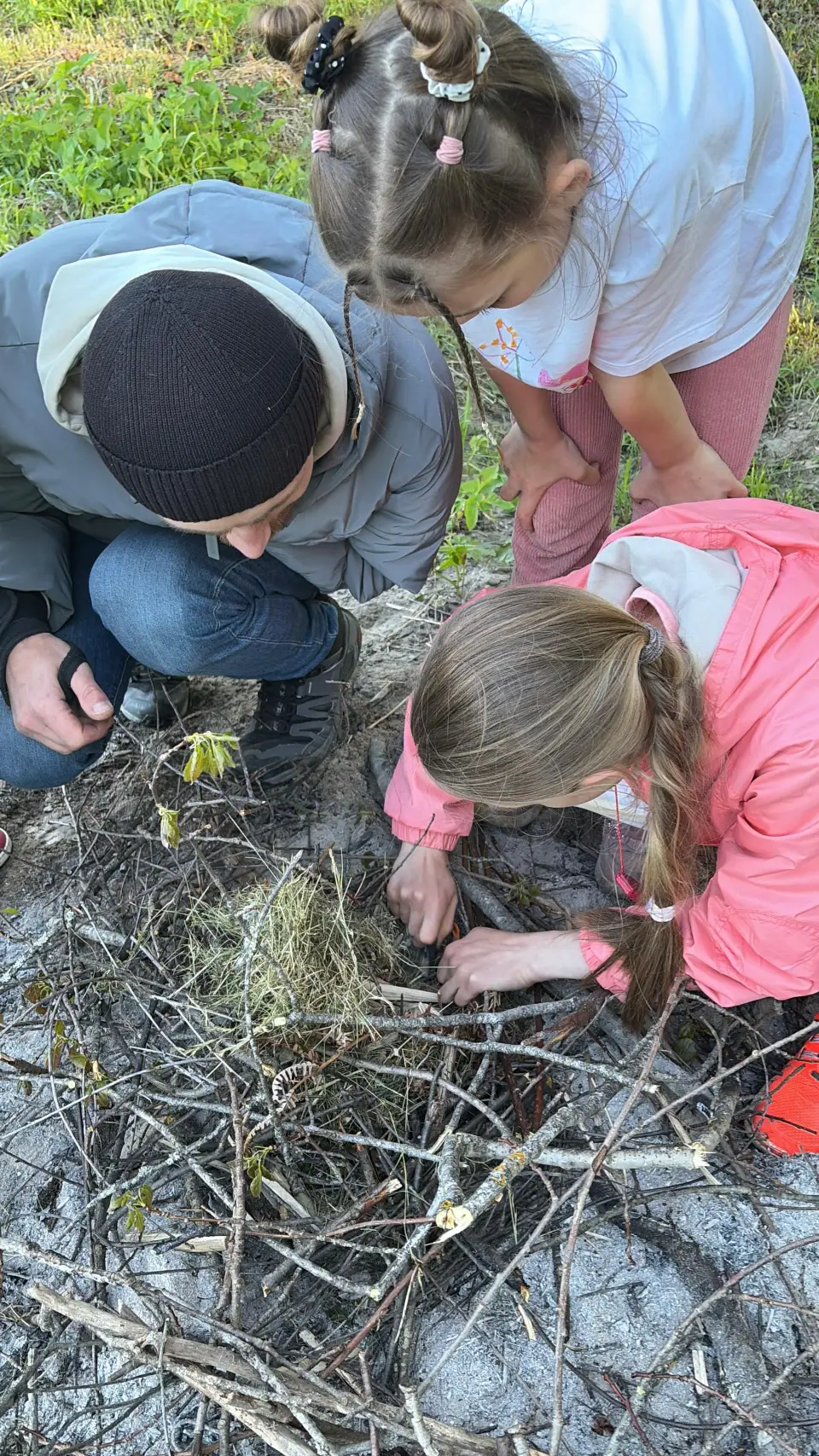
A child striking a spark for the fire in the survival quest
Trips out and hands-on work as part of the quests, beyond central Riga too.
The lowest threshold we have

After-school clubs — get to know the approach without changing school

If changing school feels like too big a step, start from the other end. In a club a child works by the same method with the same guides, just after their ordinary school day.

Three times a week

They run 3 times a week after 15.00, once a child's own school day is already over.

Projects, not classes

The children work on a real project in a team — the same logic as in the quests, only on a smaller scale and with no commitment.

No commitment and no admission process

A club does not go through the admissions process, and it is a good way to get to know us.

The Young Entrepreneur camp

In the holidays — a camp in which the children make their own product and sell it. It is the same mechanism as a quest, only in one week and without changing school.

An after-school club at Kronvalda bulvāris 1
An after-school club at Kronvalda bulvāris 1.
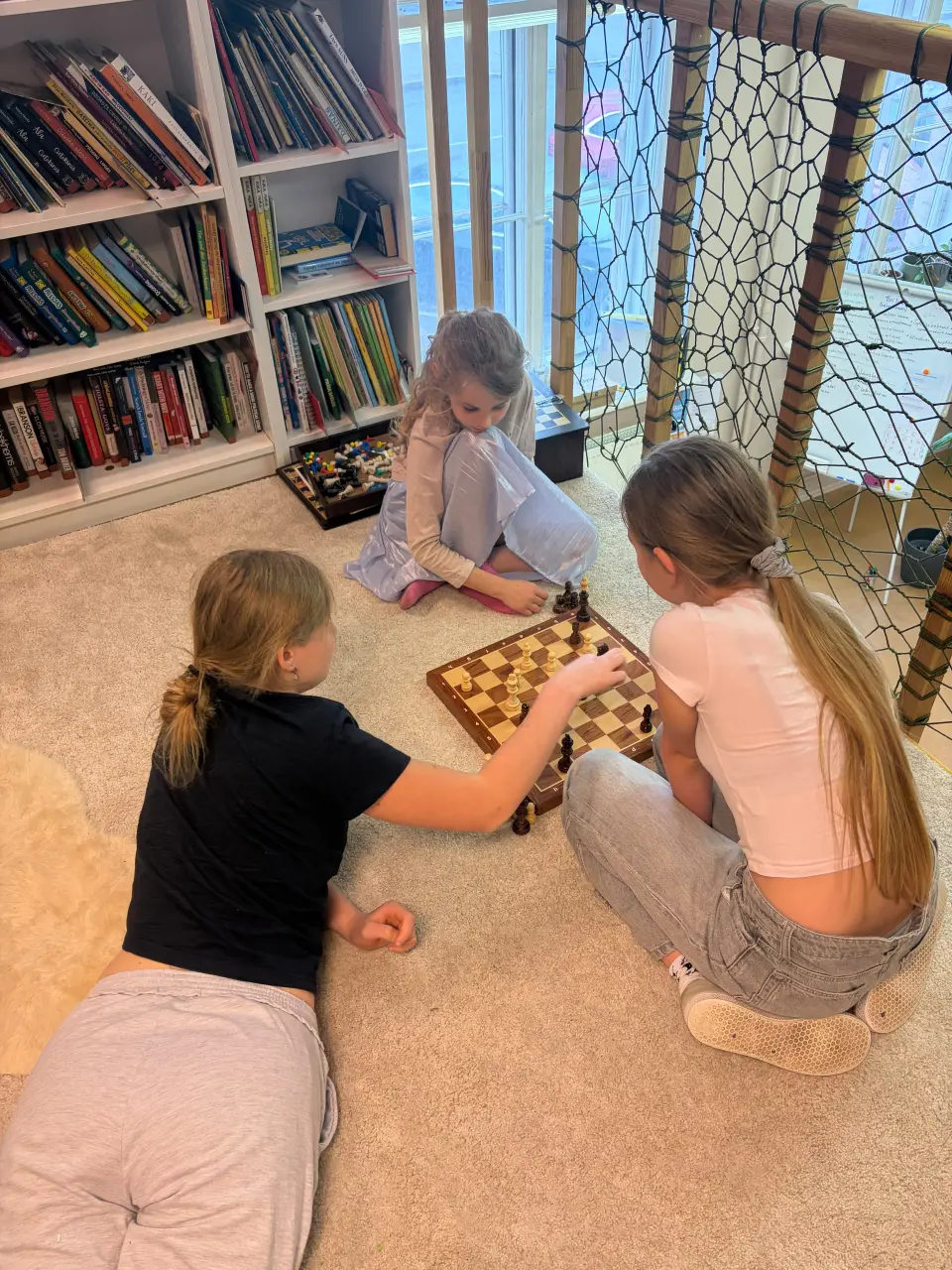
Chess at an after-school club
Chess at a club — a game in which a mistake is data.
Admission is a conversation, not a test

Have a look first. Only then decide.

Most families go through these steps in 3 to 6 weeks.

1

Come and see

A visit to the studio on an open day, at 17.30. See how it works in the real environment.

2

Ask us your hardest questions

A 15-minute conversation, or longer — about maths, the paperwork, the fee and anything that seems suspicious. A conversation with other parents too, if you would like one.

3

Bring your child

Your child spends time in the studio. Their reaction is usually a clearer answer than ours.

4

A trial week

After the conversation and once it is agreed — a full week in the studio. After it the family is still free to decide otherwise.

Acton Academy is not apply and learn — it asks a great deal of trust in your own child. If after the trial week either side feels this is not the right place, it is better said straight away. We choose each other.

Twelve questions left over

Frequently asked questions

What is Acton Academy Riga?

Acton Academy Riga is a private, self-directed primary school for years 1 to 6 in central Riga, at Kronvalda bulvāris 1. It is part of the global Acton Academy network — 300+ schools worldwide — and works to a first stage of basic education programme licensed in Latvia.

What does it cost?

Tuition is 650 EUR a month for years 1 to 6 in the 2026/27 school year. That covers all the learning materials and a Chromebook for every child. Discounts: 50% for the second and third child in a family, and the fourth child learns free of charge.

What year groups and ages do you admit?

Years 1 to 6, roughly 6 to 12 years old. Years 7 to 9 open in the 2027/28 school year. The early years studio for ages 4 to 6 and the upper school are in development, with no date yet.

Is the school accredited?

The programme is licensed in Latvia (licence No. V_9059, programme code 11011114), and the school has IALDS international accreditation. State accreditation of the institution itself is planned for 2027 — in Latvia a school is accredited during its first years of operation. The school issues reports and moves children up a year without it too.

Where is the school?

At Kronvalda bulvāris 1, in central Riga, next to Kronvalda park and the Latvian National Theatre. The school day runs from 8.15 to 15.00, and the after-school clubs 3 times a week after 15.00.

How does it differ from a traditional school?

Here there are guides, studios and mixed-age groups. A child sets their own weekly goals and moves at their own pace until the skill is mastered; the adult asks questions and helps the child get to the answer themselves. Every quest ends in a public exhibition.

What language is the teaching in?

Lessons happen in Latvian and in English: the learning materials are in both languages, and the child chooses how much of each to use. A child who does not speak English yet starts in Latvian; a child for whom Latvian is still too hard can work in English.

Are you a Montessori school?

No. We respect and take in Montessori principles, but we teach within the Acton Academy learning model: self-directed learning, Socratic discussion and real projects. The Montessori philosophy is close to us. Where the two approaches agree and where they part is in the section on Montessori.

Does the school suit a child with ADHD?

Working at your own pace, the freedom to move and following your own interests suit many active children, and plenty of children with an ADHD diagnosis flourish at Acton Academies. But we are not a special needs school: if a child needs specialist support, that can be provided by a specialist outside school, and during the getting-to-know-you process we weigh it up together.

How long is the school year?

From 1 September to the beginning of July — quests with holidays between them. That is longer than the state school year. We do not require a set number of school days — travelling with the family is worth doing and it is your choice. Two days are worth not missing, though: exhibition day and the last day of each session, when the look back at what has been learned happens.

Is there homework, and is there a uniform?

There is no homework in the sense of tasks set to do at home. Children often take a quest home because they want to finish it — that is a different matter. There is no uniform. To bring every day: a water bottle, lunch and snacks, a change of shoes and clothes for the weather — we are outside every day.

Do you admit a child in the middle of the school year?

Yes, you can join the community at any time, although the start of the year suits it best.

One step

Come and see the studio

No presentation, no commitment. Start with an open day — at 17.30.

What are you interested in?

Or write to us directly — we answer the same day:

We are at Kronvalda bulvāris 1, right in the centre of Riga — next to Kronvalda park, the Latvian National Theatre and the museums. The city is part of the learning: quests happen in the library, the market and the museums too, not only within four walls.

The primary studio at Kronvalda bulvāris 1
The primary studio at Kronvalda bulvāris 1.

Kronvalda bulvāris 1, Riga · SIA Dare to be great, reg. No. 40203498129

SIA „Dare to be great“ · reg. No. 40203498129 · © 2026 Acton Academy Riga ·
WhatsApp — message us